
Most people think body transformation is about finding the right program, the perfect diet, or a burst of motivation strong enough to carry them through.
But real, lasting change doesn’t work that way. Sustainable transformation is built quietly, underneath the surface, through the habits you repeat every single day. Because your body is not shaped by occasional effort. It’s shaped by daily patterns.
Why Habits Matter More Than Motivation
At the beginning of any fitness journey, motivation feels powerful. You feel ready to change everything at once – train harder, eat cleaner, become “disciplined.”
But motivation is temporary.
What actually drives results is what you do when motivation fades. This is where habits take over. Research shows a large percentage of daily behaviour is automatic, driven by habit loops rather than conscious decision-making. That means your results are less about willpower, and more about the systems you’ve built.
The Habit Loop That Shapes Your Body
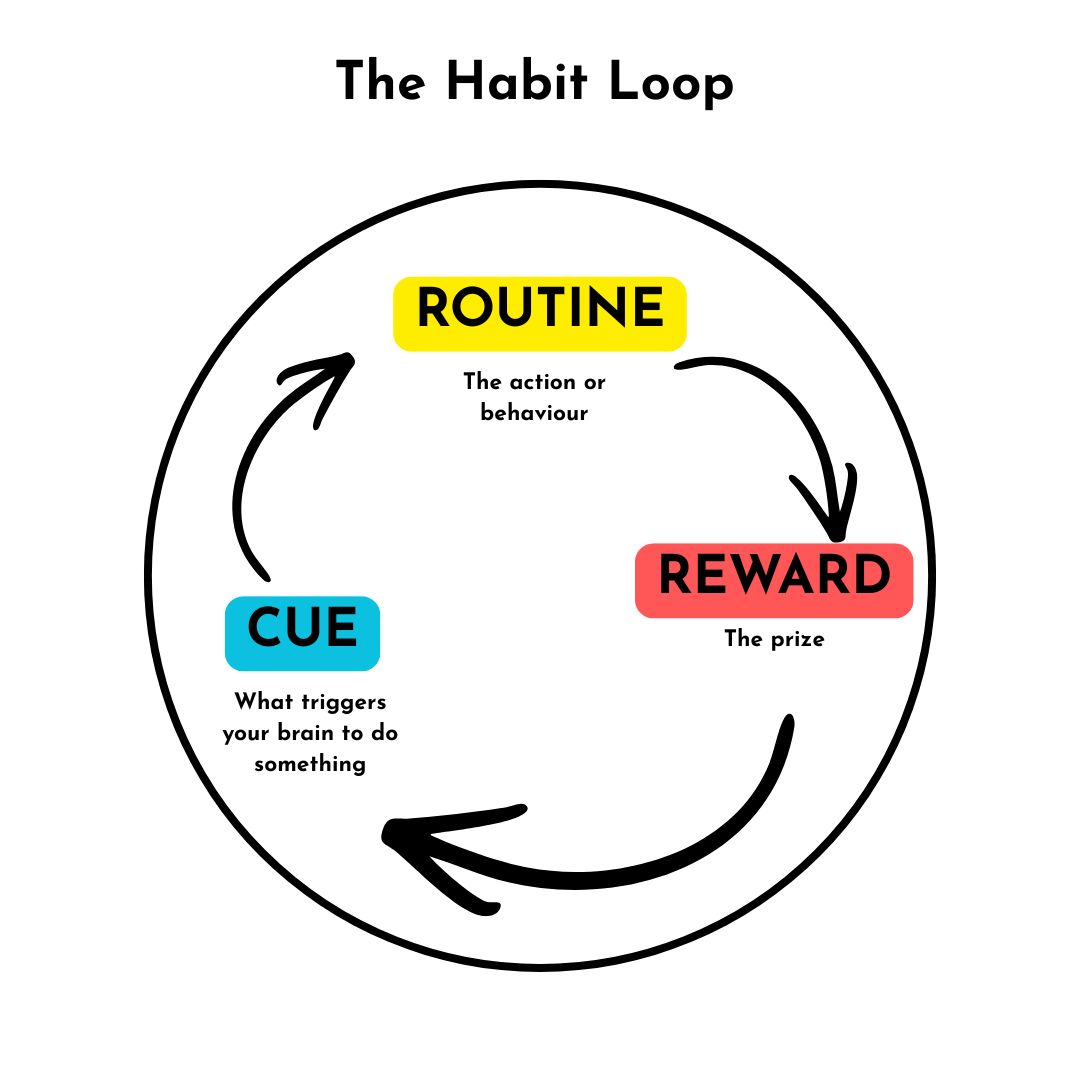
Every habit follows the same neurological pattern:
Cue → Routine → Reward
Cue
A trigger that tells your brain to act.
In fitness, this might be:
- Waking up in the morning
- Finishing work
- Seeing your training gear
- Feeling stressed or low energy
Routine
The behaviour you repeat.
- Going for a walk or training session
- Preparing a healthy meal
- Drinking water instead of reaching for sugar
- Stretching instead of scrolling
Reward
What your brain gets from the action.
- Energy and clarity
- A sense of achievement
- Progress you can feel and see
- Confidence building over time
Over repetition, your brain begins to expect the reward as soon as it sees the cue. That’s when the behaviour becomes automatic.
Why Change Feels Hard (At First)
When you try to change your habits, you’re not just adding something new, you’re competing with existing neurological pathways that already feel comfortable and familiar.
That’s why early effort feels difficult.
You’re not failing. You’re rewiring. And every repetition strengthens that new identity.
Dopamine: The Real Driver of Consistency
Dopamine is often misunderstood as the “pleasure chemical,” but its real role is anticipation. It spikes not just when you achieve something, but when you expect to achieve it.
This is why cues matter so much.
When you lay out your gym clothes, book your retreat session, or plan your morning walk, you’re not just organising your day, you’re training your brain to anticipate success.
That anticipation is what pulls you into action.
Small Habits Create Major Transformation
One of the biggest mistakes in fitness is trying to change everything at once. Real transformation is built through small, repeatable actions:
- A 20-minute walk
- One high-protein meal
- Drinking more water
- A short workout instead of skipping entirely
- Going to bed 30 minutes earlier
Individually, these feel insignificant. But stacked over weeks and months, they completely reshape your body, energy, and mindset. Consistency beats intensity every time.
Habit Stacking: Making Change Stick
New habits are easiest to build when attached to existing routines. Instead of forcing new behaviours into your life, link them to things you already do:
- After I brush my teeth, I drink a glass of water
- After I finish work, I change into training clothes
- After my morning coffee, I go for a walk
- After dinner, I prepare tomorrow’s meals
This removes friction and makes discipline feel automatic.
Your Environment Is Either Helping or Hindering You
Willpower is unreliable. Environment is powerful. The spaces you live and train in either support your goals or work against them.
Simple changes make a big difference:
- Keeping healthy food visible
- Removing constant temptations
- Preparing meals ahead of time
- Making training clothes easy to access
- Surrounding yourself with people who move in the same direction
This is why immersive environments like fitness retreats work so well, they temporarily remove friction and reinforce identity-shifting behaviours.

The Mindset That Sustains Transformation
No journey is perfect. There will be missed workouts, busy weeks, setbacks, and moments of doubt. The difference between those who succeed and those who stop is not perfection – it’s response.
Instead of seeing setbacks as failure, they are seen as feedback.
- “What happened?”
- “What can I adjust?”
- “How quickly can I reset?”
This mindset keeps momentum alive.
What Gets Measured Gets Improved
Tracking your habits creates awareness and accountability.
Whether it’s:
- Workouts completed
- Steps taken
- Meals prepared
- Water intake
- Daily reflections
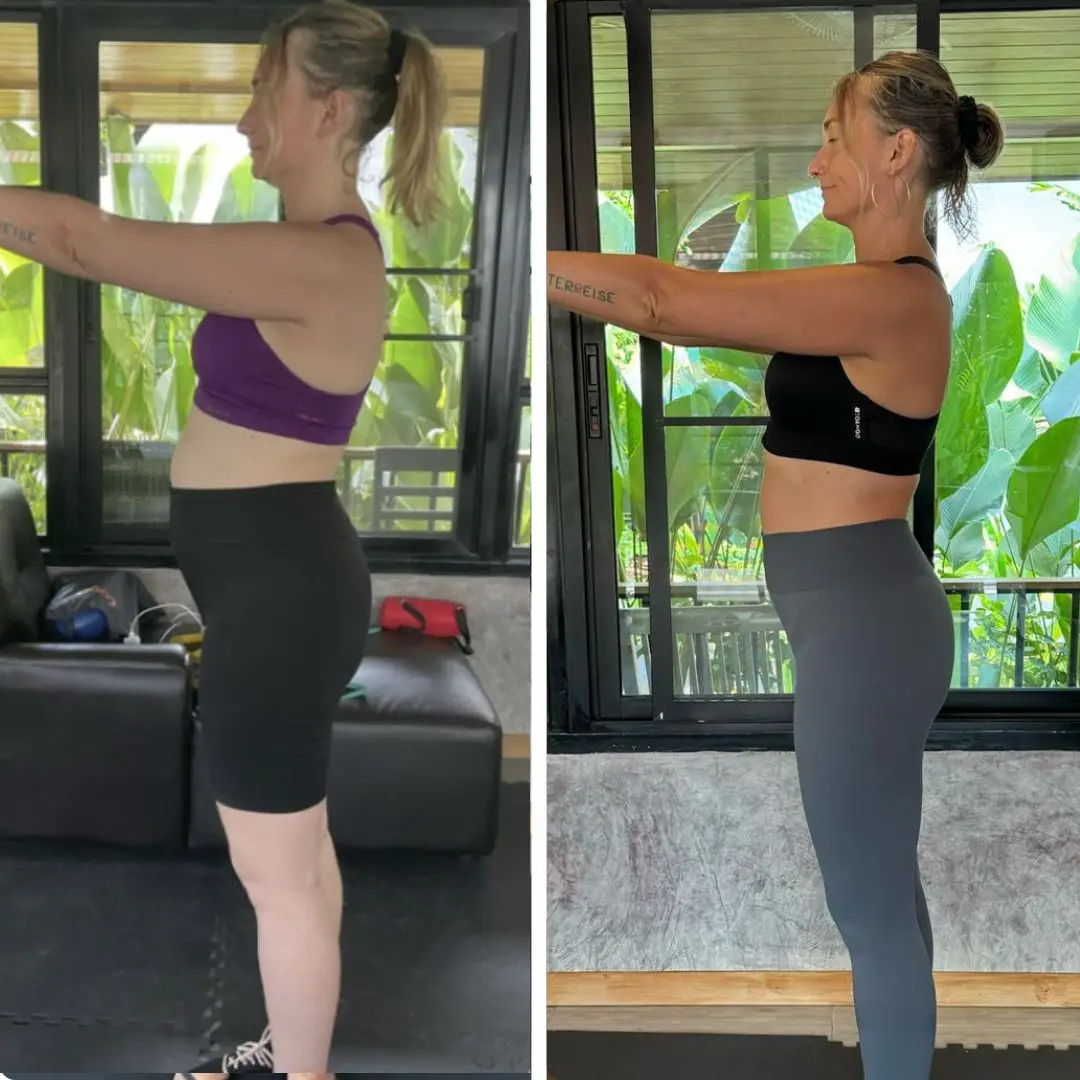
Tracking turns invisible progress into visible evidence. And evidence builds belief.
Your Transformation Starts With Identity
At its core, fitness is not just about changing your body. It’s about changing who you believe you are.
Every action is a vote for your identity:
- The person who trains
- The person who eats well
- The person who follows through
You don’t rise to the level of your goals. You fall to the level of your systems.

The Invitation
Start small.
Choose one habit.
Repeat it daily.
Make it easy.
Track it.
Build from there.
Because transformation doesn’t happen in a single moment – it happens in thousands of small decisions that compound over time. And over time, those decisions don’t just change your body. They change your life.